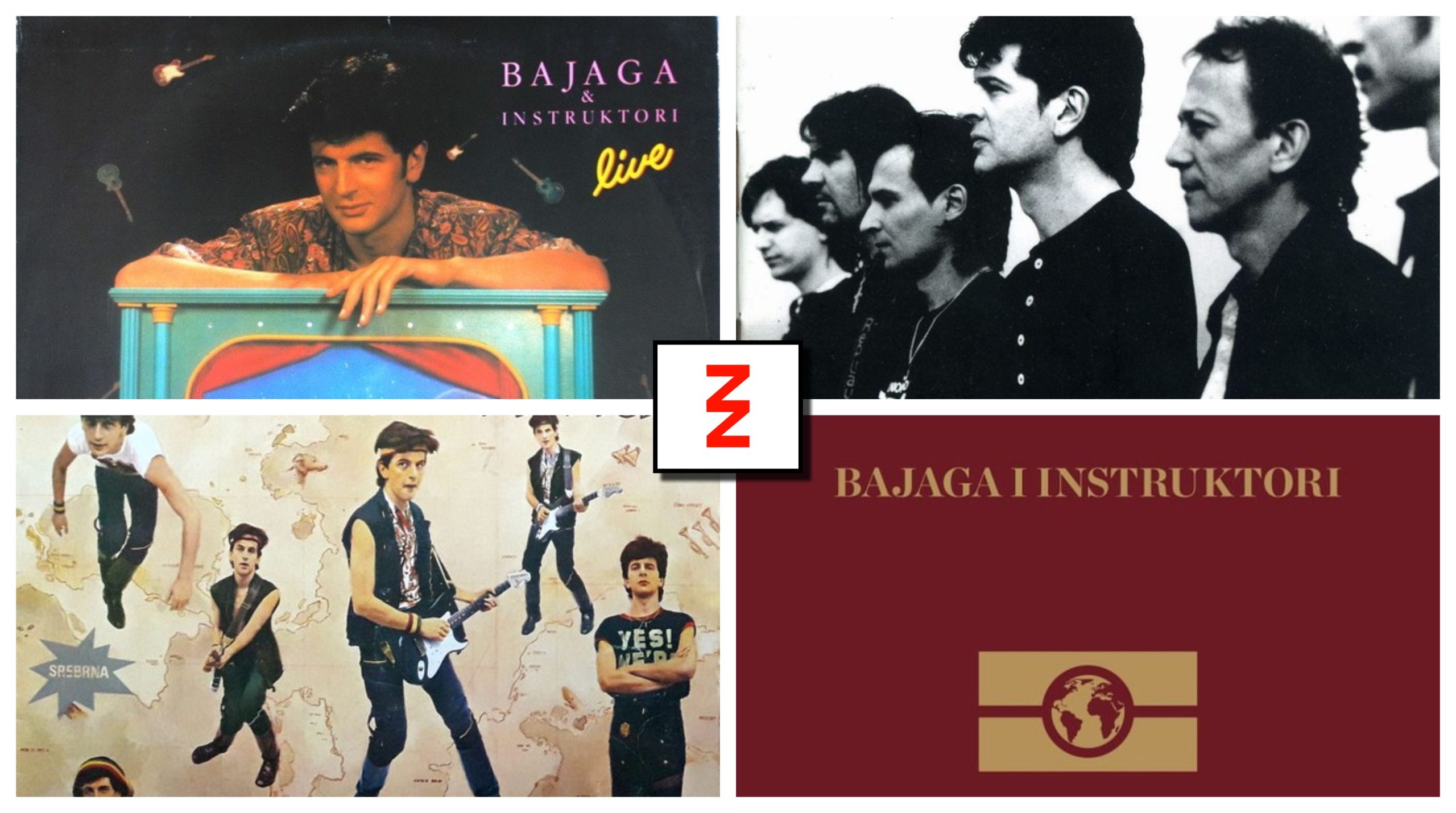
Jos te volim by Bajaga
Jos te volim is a song by the Croatian artist Bajaga, presented within a body of work that blends pop sensibility with the broader Yugoslav pop tradition. The title translates as a direct declaration of affection, and the song functions as a personal statement of love that fits within the emotional register common to the genre. Bajaga has been associated with a range of recordings that explore themes of romance, social observation, and personal reflection, and this track sits within that broader catalogue as a more intimate, relationship-focused piece. The musical context of the song is rooted in the Yugoslav pop landscape, where artists often worked within a framework that combined melodic pop structures with local linguistic and cultural expression. Bajaga’s work has been part of a wider scene in which pop music served as a vehicle for both commercial appeal and personal storytelling. The song’s placement in this genre suggests an emphasis on accessible melody, straightforward lyrical themes, and a performance style that prioritizes emotional directness over experimental complexity. In relation to Bajaga’s other recorded material, Jos te volim appears alongside works that address a variety of subjects, from personal relationships to broader social or existential themes. The artist’s discography includes songs that range in tone and subject matter, and this track contributes to a body of work that balances romantic expression with other narrative concerns. The song’s title and thematic focus indicate a clear intent to communicate a feeling of devotion or attachment, a theme that recurs across much of pop music from the region. The recording and release context of the song is not extensively documented in the available information, but its association with the artist and its genre classification place it within a recognizable stream of Yugoslav pop music. The song’s relationship to other works by Bajaga suggests a consistent artistic identity, one that engages with popular musical forms while maintaining a personal voice. The track’s presence in the artist’s catalogue indicates that it is part of a broader set of recordings that reflect the musical and cultural currents of the period in which it was produced. Public reception of the song is not clearly established in the available information, and no specific critical or audience response can be reliably attributed to it. The song’s significance is therefore best understood in terms of its place within Bajaga’s body of work and its contribution to the Yugoslav pop tradition. As a declaration of love, it aligns with the emotional and thematic concerns that have been central to pop music in the region, offering a straightforward expression of personal feeling within a recognizable musical framework. |