|
|
| [ More Elvis Presley lyrics ] |
add to playlist
see a mistake?
comment
|
|
Artist/Band:
Elvis Presley
Lyrics for Song: The Meanest Girl in Town
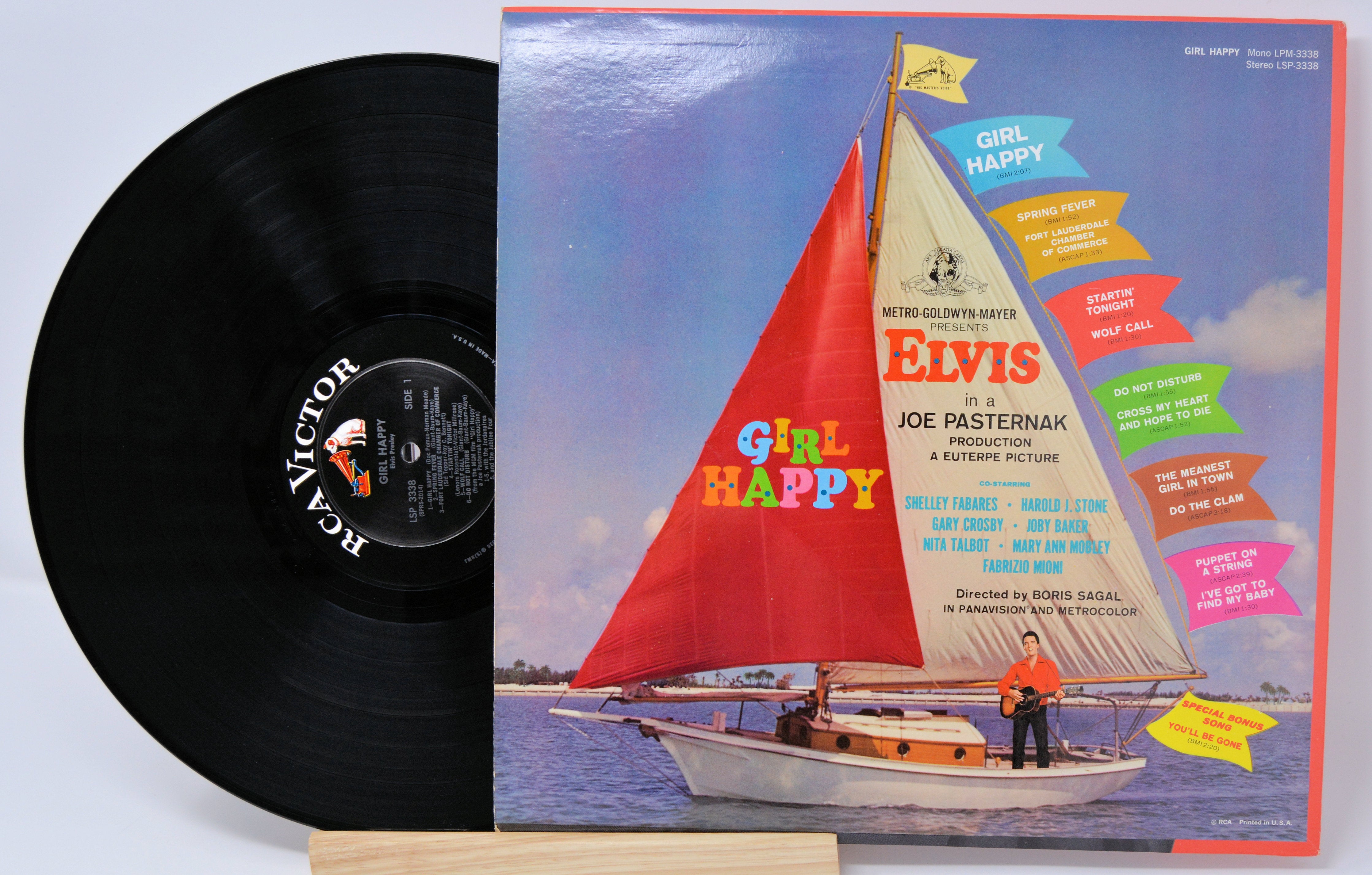
Lyrics for Album: Girl Happy
SheÂ’ll tell you that she loves you, make you feel just like a kid
SheÂ’ll cry to you and lie to you, sheÂ’ll do Â’most anything
SheÂ’ll get right up next to you and the first thing that you know
YouÂ’ll be telling her youÂ’re sorry because she hurt you so
I said sheÂ’s evil the most evil girl IÂ’ve found
There ainÂ’t no doubt about it, sheÂ’s the meanest girl in town
SheÂ’ll invite you over to her house at half past nine
YouÂ’ll wear a suit, youÂ’ll wear a tie and youÂ’ll give your shoes a shine
YouÂ’ll take a real deep breath and knock on her front door
Her little sister will tell you she donÂ’t live here anymore
I said sheÂ’s evil the most evil girl IÂ’ve found
There ainÂ’t no doubt about it, sheÂ’s the meanest girl in town
And there ainÂ’t no doubt about it, sheÂ’s the meanest girl in town
SheÂ’ll put her arms around you and squeeze with all her might
SheÂ’ll breathe a sigh and pucker her lips and pull your arms real tight
Your heart will pound like thunder, youÂ’ll melt in her embrace
But when you go to kiss her well sheÂ’ll laugh right in your face
Because sheÂ’s evil the most evil girl IÂ’ve found
There ainÂ’t no doubt about it, sheÂ’s the meanest girl in town
|
The Meanest Girl in Town
The Meanest Girl in Town stands as a spirited song in Elvis Presley's extensive discography, capturing the playful energy that defined much of his work during the 1960s. Featured on the soundtrack for the film Girl Happy, the track showcases Presley's ability to navigate upbeat, narrative-driven pop and rock arrangements. The recording reflects a period where the King frequently balanced cinematic projects with his evolving musical style, delivering performances that resonated with audiences seeking lively, character-driven songs. While the track may not always dominate the greatest hits compilations, it remains a testament to Presley's versatility in portraying romantic archetypes through his vocal delivery. This song contributes to the broader understanding of his film-era output, highlighting how he integrated storytelling into his musical identity without relying on the heavy ballads that often bookended his concerts. |
|
| |
|