|
|
| [ More John Lennon lyrics ] |
add to playlist
see a mistake?
comment
|
|
Artist/Band:
John Lennon
Lyrics for Song: Woman Is The Nigger Of The World
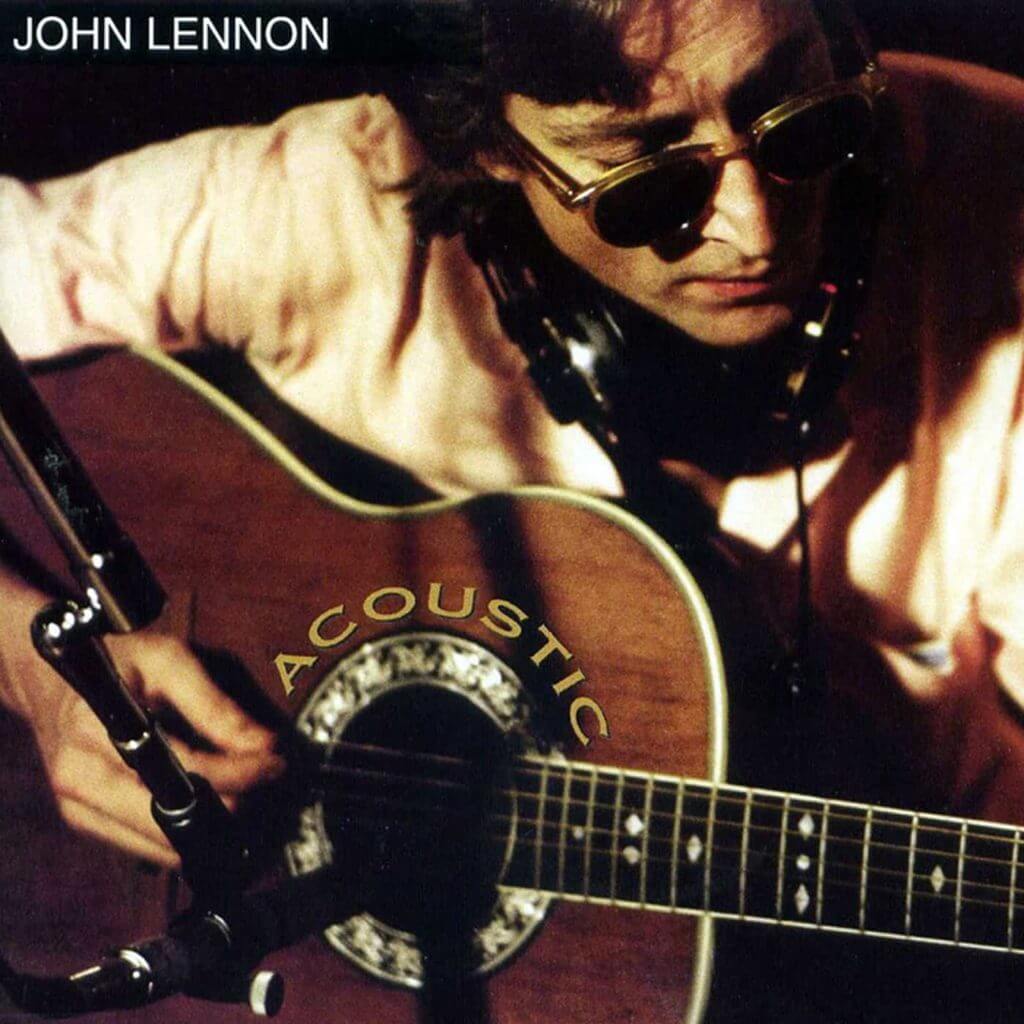
Lyrics for Album: Acoustic
Woman is the nigger of the world,
Yes she is...think about it.
Woman is the nigger of the world,
Think about it...do something about it.
We make her paint her face and dance,
If she won't be a slave, we say that she don't love us,
If she's real, we say she's trying to be a man
While putting her down we pretend that she's above us,
Woman is the nigger of the world,
Yes she is
If you don't believe me,
Take a look at the one you're with
Woman is the slave of the slaves
Ah yeh...better scream about it.
We make her bear and raise our children,
And then we leave her flat for being a fat old mother hen
We tell her home is the only place she should be,
Then we complain that she's too unworldly to be our friend.
Woman is the nigger of the world,
Yes she is.
If you don't believe me, take a look at the one you're with.
Woman is the slave to the slaves
Yeh(think about it)
We insult her every day on TV
And wonder why she has no guts or confidence
When she's young we kill her will to be free,
While telling her not to be so smart we put her down for being
so dumb.
Woman is the nigger of the world
Yes she is
If you don't believe me, take a look at the one you're with.
Woman is the slave to the slaves.
Yes she is,
If you don't believe me, you better scream about it.
REPEAT:
We make her paint her face and dance...
|
Woman Is The Nigger Of The World
John Lennon's 1970 recording 'Woman Is The Nigger Of The World' stands as a stark, unfiltered critique of the sexual objectification of women within the patriarchal structures of the time. Released on the 'Acoustic' album, the track reflects Lennon's evolving social consciousness and his willingness to confront uncomfortable truths about gender dynamics. The song's raw delivery and provocative title marked a significant departure from his earlier pop sensibilities, aligning with the countercultural movements of the early 1970s. It serves as a powerful commentary on how women were often treated as commodities in society, a theme that resonated deeply with listeners seeking to challenge established norms. This work remains a testament to Lennon's commitment to addressing pressing social issues through his music, offering a direct and often jarring perspective on the state of women's rights during that era. |
|
| |
|