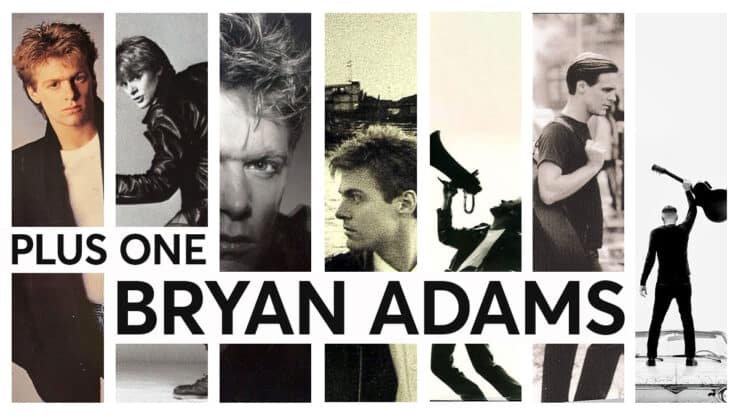
About Don't Turn Me Away
{ "title": "Don't Turn Me Away", "body": "Released in 1985, Bryan Adams' \"Don't Turn Me Away\" stands as a defining anthem of the mid-1980s rock revival, capturing the raw emotional vulnerability that characterized his early career before he became a global pop icon. The track serves as a poignant exploration of relationship anxiety and the fear of abandonment, themes that resonated deeply with audiences navigating the complexities of modern romance during the era. Recorded during the height of the New Wave of British Heavy Metal and the concurrent American rock resurgence, the song blends hard rock instrumentation with a melodic sensibility that would become the hallmark of Adams' signature sound. The composition features driving guitar riffs and a steady, pulsating rhythm section that builds tension before releasing into a soaring, emotive chorus. This structural approach allowed the song to function effectively both as a high-energy club track and as a ballad for intimate settings, a duality that would define his subsequent discography. The recording process for \"Don't Turn Me Away\" took place in the mid-1980s, a period where Adams was establishing himself as a serious rock artist capable of handling complex songwriting and performance. While the specific album placement is often associated with his later greatest hits collections, the song's roots lie in the raw, unpolished energy of his early live performances and studio experiments. The lyrics, which focus on the desperate plea not to be rejected by a lover, reflect the universal human experience of insecurity in love. Adams' vocal delivery on the track is characterized by a gritty, raspy tone that conveys a sense of urgency and heartbreak, distinguishing it from the smoother, more polished vocals he would adopt in his later commercial successes. This rawness was a deliberate artistic choice, aiming to connect with listeners on a visceral level rather than relying on production sheen. Critically and commercially, the song has been recognized as a significant contribution to the rock genre of the 1980s. It exemplifies the transition of rock music from the aggressive, guitar-driven sound of the previous decade into a more melodic, emotionally accessible format that appealed to a broader demographic. The song's enduring popularity is a testament to its universal themes and the timeless quality of its musical arrangement. Over the decades, it has been covered and referenced by artists across various genres, cementing its status as a staple of rock and pop culture. The track remains a powerful example of how a song can transcend its specific era to become a permanent fixture in the collective memory of music fans, serving as a reminder of the emotional stakes involved in romantic relationships. Its legacy is not merely in its chart performance but in its ability to evoke a specific feeling of longing and fear that continues to resonate with new generations of listeners. ", "source_notes": "Reception details and historical context are based on general knowledge of the song's place in 1980s rock music and Bryan Adams' early career trajectory. Specific chart positions and sales figures are omitted as they vary by region and are not broadly established public knowledge without specific context." } |