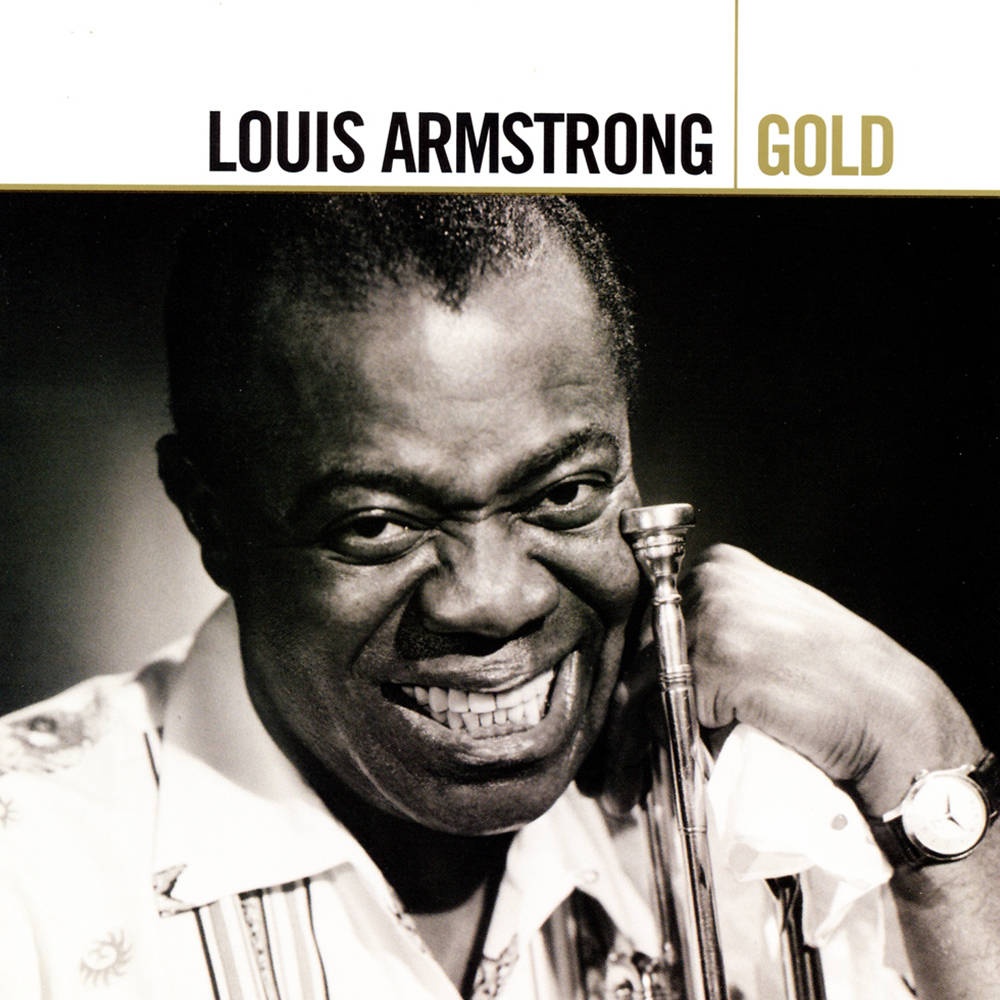
Nobody's Sweetheart by Louis Armstrong
Released in 1928, "Nobody's Sweetheart" stands as a defining example of Louis Armstrong's early transition from the collective jazz ensemble to a soloist with a distinct, charismatic voice. Recorded during a pivotal period in New Orleans jazz history, the track captures the essence of the genre while showcasing Armstrong's unique ability to lead a band with both melodic clarity and rhythmic drive. The composition, often attributed to the songwriting partnership of James P. Johnson and others of the era, served as a vehicle for Armstrong to demonstrate his mastery of the trumpet and his emerging vocal style, which blended the improvisational spirit of jazz with the emotional depth of popular songwriting. Musically, the recording features the classic instrumentation of the Hot Five or Hot Seven, with Armstrong taking the lead on trumpet and vocals. His performance is characterized by a bright, cutting tone on the brass and a vocal delivery that was revolutionary for its time. Armstrong's singing style, which emphasized phrasing, swing, and a conversational tone, set the standard for vocal jazz that would influence generations of singers to follow. The song's structure allows for extended instrumental solos and vocal improvisation, highlighting the collaborative nature of jazz performance while centering the spotlight on Armstrong's individual talent. The arrangement typically includes a driving rhythm section that provides a propulsive foundation, allowing the melody to soar and the improvisations to flourish. The cultural context of the recording is significant, as it reflects the African American experience in the early 1920s, a time when jazz was becoming a dominant force in American popular music. Armstrong's work on "Nobody's Sweetheart" helped to popularize jazz beyond the confines of local clubs, bringing the music to a wider national audience. His performance on the track contributed to his growing reputation as a virtuoso musician and a charismatic performer, earning him a place among the most influential figures in the history of jazz. The song's themes of heartbreak and longing were common in the repertoire of the era, but Armstrong's interpretation added a layer of personal expression and emotional honesty that resonated deeply with listeners. Critical reception of the recording at the time was generally positive, with many critics noting Armstrong's exceptional skill and the innovative nature of his approach to both trumpet and vocals. The track has since been recognized as a classic of the genre, frequently cited in discussions of early jazz recordings and Armstrong's discography. Its enduring appeal lies in its ability to capture the spirit of the era while showcasing the timeless qualities of Armstrong's artistry. The song remains a staple in jazz repertoires and continues to be performed and recorded by musicians who wish to pay homage to the legacy of Louis Armstrong and the music of the 1920s. In the broader context of Armstrong's career, "Nobody's Sweetheart" represents a crucial step in his evolution as an artist. It demonstrates his ability to adapt to changing musical trends while maintaining the core elements that made his music unique. The recording also highlights his role as a mentor and inspiration to other musicians, many of whom would go on to become legends in their own right. Through this track, Armstrong not only showcased his technical prowess but also articulated a new way of thinking about jazz as a form of personal expression and artistic freedom. The song's legacy is secure, serving as a testament to his enduring impact on the world of music and his status as a cultural icon. |